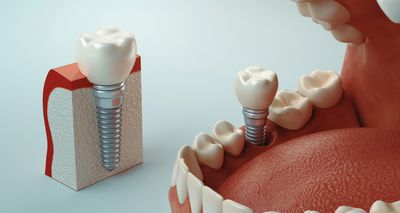
Post-Operative Instructions: Implants
Immediately After Surgery — First 24 Hours
Some bleeding, swelling, soreness, and bruising are normal following dental implant surgery. These symptoms should gradually improve as healing progresses.
Bleeding
- Minor bleeding or blood-tinged saliva is normal following surgery.
- Slight oozing may occur during the first several hours.
- If bleeding increases:
- Place clean gauze directly over the surgical site.
- Bite down with firm, continuous pressure for 30–60 minutes.
- Avoid repeatedly removing the gauze to check the area.
- Contact our office if heavy or persistent bleeding does not improve with firm pressure.
Numbness
- Local anesthetic may cause numbness of your lips, tongue, cheek, teeth, or surrounding tissues for several hours.
- Do not chew while numb.
- Be careful not to bite, pinch, scratch, or otherwise injure the numb area.
- Rarely, temporary numbness, tingling, or altered sensation may occur following implant surgery.
- Contact our office if numbness or altered sensation persists after the anesthetic should reasonably have worn off.
Pain Control
Some discomfort is expected following implant surgery.
- Take pain medication exactly as directed.
- Do not exceed the recommended dosage.
- Taking medication with food may help reduce stomach upset when appropriate.
- If a medication causes drowsiness or sedation:
- Do not drive.
- Do not operate machinery.
- Do not drink alcohol.
- Contact our office if pain becomes severe, progressively worsens, or is not adequately controlled.
Antibiotics
If antibiotics have been prescribed:
- Take them exactly as directed.
- Do not change the dose or discontinue the medication unless instructed by our office or another healthcare professional.
- Contact us promptly if you develop:
- A rash.
- Significant gastrointestinal symptoms.
- Swelling or another suspected medication reaction.
- Difficulty breathing or swelling of the face, lips, tongue, or throat requires immediate medical attention.
Swelling & Bruising
- Swelling is expected following surgery.
- Swelling may increase during the first 48–72 hours before gradually improving.
- During the first day:
- Apply an ice pack to the outside of your face near the surgical area.
- Apply for approximately 15–20 minutes at a time.
- Follow with a similar period without ice.
- Some bruising may occur and generally resolves on its own.
Activity
- Rest following your procedure.
- Avoid strenuous exercise, heavy lifting, and vigorous physical activity during the first few days or as directed by our office.
- Increased physical activity may contribute to:
- Bleeding.
- Swelling.
- Discomfort.
- Gradually return to normal activity as healing allows.
Oral Care
Brushing
- Continue keeping the rest of your mouth clean.
- Treat the surgical site gently.
- Avoid directly brushing or disturbing the surgical site during the initial healing period unless specifically instructed otherwise.
- Gradually resume cleaning around the area as directed by our office.
Rinsing
- Do not vigorously rinse, swish, or spit during the first 24 hours.
- Beginning the following day, you may gently rinse with warm salt water unless instructed otherwise.
- If a prescription chlorhexidine rinse such as Peridex was prescribed, use it exactly as directed.
- Avoid vigorous swishing around the surgical site.
Diet
- Eat soft foods during the first few days.
- Good choices include foods that require minimal chewing.
- Drink plenty of fluids.
- Avoid chewing directly over the implant site.
- Avoid very hot foods or beverages while numb and during the initial healing period.
- Gradually return to your normal diet as comfort and healing allow.
- Avoid alcohol during the immediate postoperative period and while taking medications that should not be combined with alcohol.
Smoking, Vaping & Nicotine
- DO NOT smoke or vape following implant surgery.
- Avoid tobacco and nicotine during the healing period.
- Smoking and nicotine can interfere with healing.
- Tobacco and nicotine are associated with an increased risk of complications and implant failure.
- Follow the specific recommendations provided by our office.
Oral Pressure
During the early healing period:
- Do not drink through a straw.
- Do not spit forcefully.
- Avoid actions that create unnecessary suction or pressure within your mouth.
Nausea
- Some pain medications may cause nausea, particularly when taken on an empty stomach.
- When appropriate for your medication:
- Eat a small amount of soft food before taking it.
- Drink water with your medication.
- Contact our office if significant nausea or vomiting persists.
Sinus Precautions — IF APPLICABLE
Follow this section only if you were told that your procedure involved or was near the sinus.
- DO NOT blow your nose.
- If you need to sneeze, sneeze with your mouth open rather than trying to suppress it.
- Avoid activities that create significant sinus pressure, such as playing wind instruments.
- Follow these precautions for the period specifically recommended by our office.
- A decongestant or other medication may occasionally be recommended when appropriate.
Removable Appliances & Dentures
- Dentures or removable appliances may require adjustment to prevent excessive pressure on the implant or surgical site.
- You may be instructed not to wear a removable appliance for a period of time.
- Do not modify or adjust your denture or appliance yourself.
- Contact our office if your appliance causes pressure or discomfort over the surgical site.
Follow-Up Appointments
Follow-up appointments are important for evaluating healing and implant integration.
- Keep all scheduled follow-up appointments unless instructed otherwise.
- Non-dissolving sutures may need to be removed at a follow-up visit.
- Some implants may require an additional procedure after healing to:
- Expose the implant.
- Place a healing component.
- Prepare the implant for the final restoration.
IMPORTANT — DO NOT:
- DO NOT chew while numb.
- DO NOT vigorously rinse or spit during the first 24 hours.
- DO NOT touch, pick at, or manipulate the surgical site.
- DO NOT chew directly over the implant site during early healing.
- DO NOT smoke or vape during the healing period.
- DO NOT use a straw during the early postoperative period.
- DO NOT perform strenuous exercise immediately following surgery.
- DO NOT attempt to adjust your denture, temporary restoration, implant component, or surgical site yourself.
When to Call Our Office
Please contact our office if you experience:
- Persistent or excessive bleeding that does not improve with firm pressure.
- Severe or progressively worsening pain.
- Swelling that continues to increase after several days rather than beginning to improve.
- Fever.
- Pus, drainage, foul taste or odor, or other signs of possible infection.
- Persistent numbness or altered sensation after the anesthetic should reasonably have worn off.
- An implant component, healing cap, temporary restoration, or appliance that feels loose.
- A significant reaction to a prescribed medication.
- Any other concerns about your healing.
Difficulty breathing, difficulty swallowing, or rapidly developing swelling of the face, lips, tongue, or throat requires immediate medical attention.
© 2026 John E. Sullivan DDS, P.C.
This document is the property of John E. Sullivan DDS, P.C. and is intended for use within this practice only.